 Call: (828) 390-8226


- Morganton Based
Serving Morganton, Valdese, Marion, Lake James, Lake Rhodhiss and the surrounding areas.
- Free Estimates
Three generations of masonry craftsmanship. Call or text (828) 390-8226.
 Morganton Based
 Free Estimates
Masonry & Concrete in Boone, NC
Boone is a town in and the county seat of Watauga County, up in the Blue Ridge Mountains about 33 miles north of Morganton in a straight line, and the home of Appalachian State University. We take on masonry and concrete work there. Up here the cold and the lay of the land decide most of a job, so what goes under and behind the masonry matters as much as what shows.
Masonry in Boone, NC
The work in Boone is the same range we take on around Morganton: stone veneer, brick and block, concrete and footers, retaining walls, patios and steps.
Boone's 6,985 housing units have a median year built of 1985, and 40.1% were built before 1980 (US Census ACS 2024 5-year); across Watauga County the median is 1988. Only 25.1% of Boone's homes are detached houses and 26.2% are owner-occupied, so much of the town is apartments and rentals. Their steps, landings and slabs get walked on all winter, ice and salt included. A house from the median year has stood through about forty Boone winters, long enough for a shallow footer or a wall with no drainage to show it.
Steep Lots: Retaining Walls and Drainage
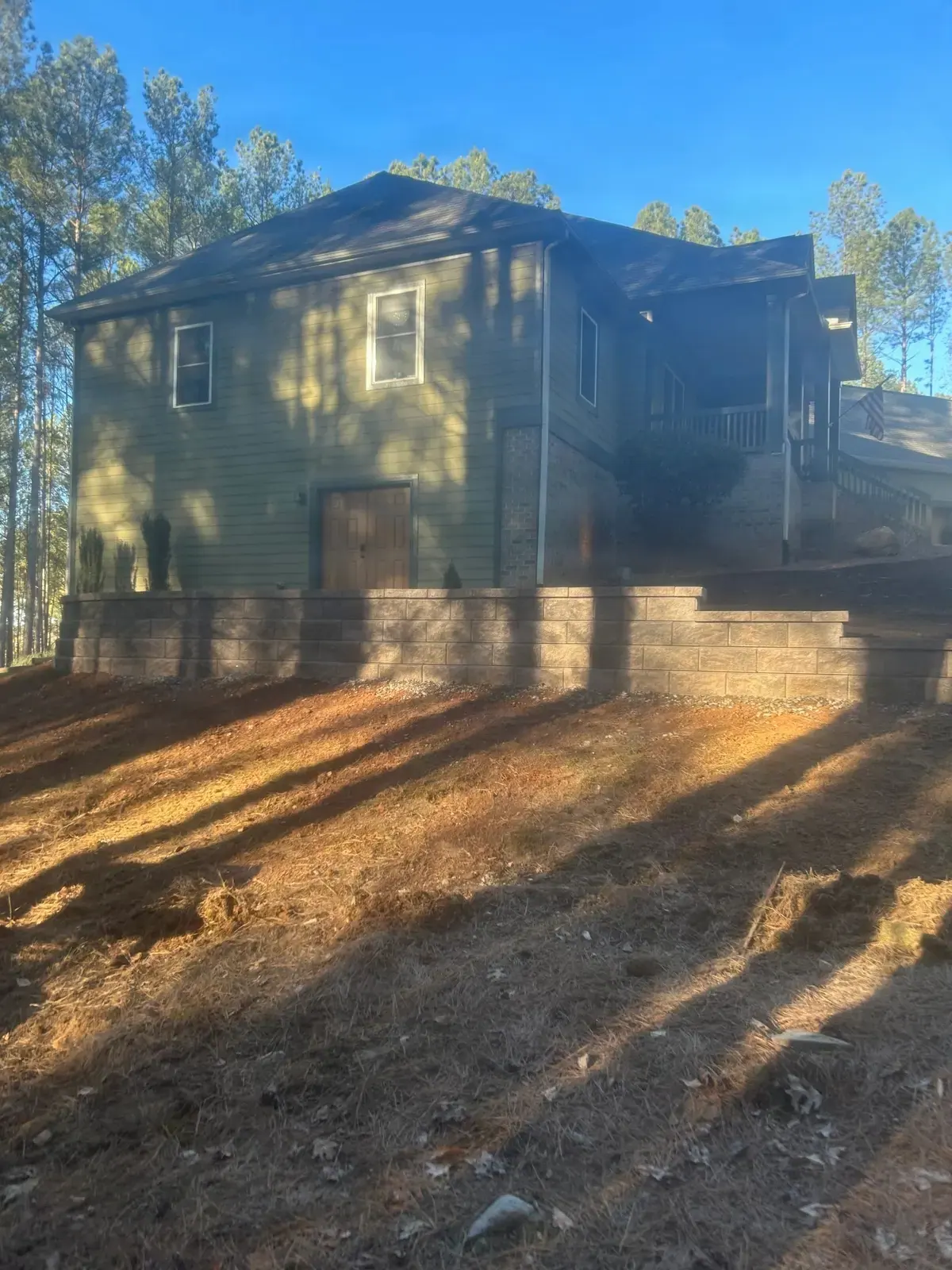
Building on a slope means cutting into it, and the cut has to be held back. Water decides whether a retaining wall stands: rain on the slope above soaks into the soil behind it, and wet soil pushes far harder than dry soil. A wall with no way for that water out leans, bulges and cracks, however well its face was laid. So a block wall is built with the water in mind:
- A firm base. A trench down to solid ground, a compacted gravel base, and the first course set level and partly buried so the wall can't slide out at its toe.
- Setback. Each course steps back a little, so the wall leans into the hill it holds.
- Geogrid on taller walls. Layers laid between courses and out into the backfill tie the wall and the soil together as one mass.
- Drainage stone and pipe. Clean stone right behind the block, a perforated pipe at the bottom and fabric to keep the soil out of the stone, so the water has a way out at the end of the wall.
Water from above the wall matters as much. Grading the slope so it sheds water to the sides, a shallow swale along the top of the wall and a French drain where the ground stays wet all take load off it, and on a hillside the drain pipe can often run out to daylight downhill.
Height brings rules: the North Carolina Residential Code has an engineer or architect design any retaining wall that crosses over an adjacent property line, whatever its height, and individual walls holding back more than 5 feet of unbalanced backfill within a horizontal distance of 15 feet or less.
Boone's Winters and What They Do to Masonry
Boone has an elevation of 3,333 feet, the highest of any town its size (over 10,000 people) east of the Mississippi River, and its winters are long and cold, with frequent sleet and snowfall. NOAA's 1991-2020 normals for the Boone station give 59.13 inches of rain and melted snow and 25.6 inches of snow a year, and 127.1 days with a freezing low, 18.3 of them below freezing all day. On the rest, water that froze overnight thaws and soaks back in, and each round works further into cracks, mortar joints and the soil under slabs. What that means for the work:
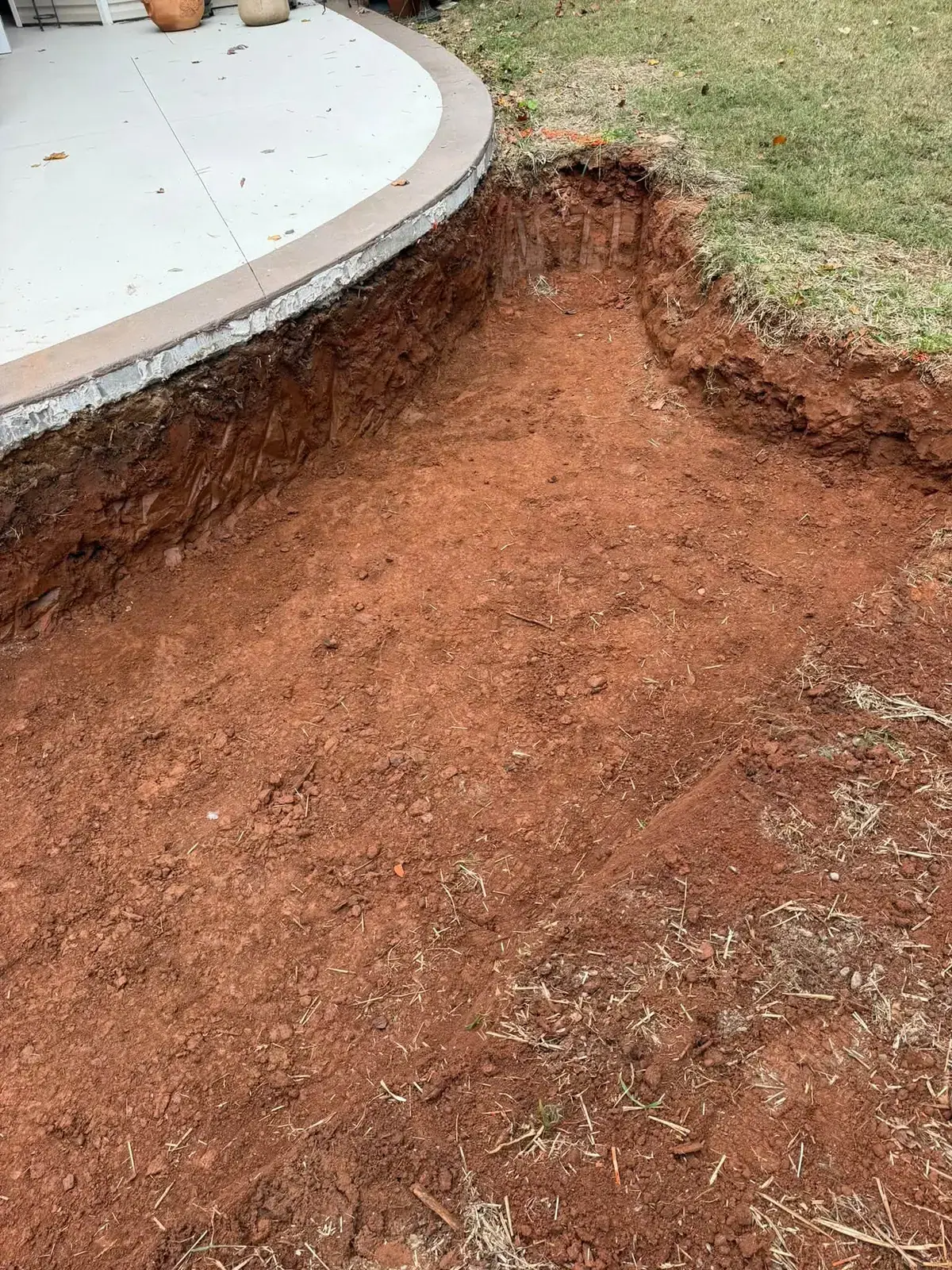
- Footers below the frost line. Wet soil that freezes swells and lifts whatever sits on it. The North Carolina Residential Code puts the bottom of exterior footings at least 12 inches below finished grade and leaves the frost line depth to the local jurisdiction, so check with the county before the work starts. Our footings page covers how a footer is dug, reinforced and poured.
- Concrete poured around the cold. Concrete doesn't go on frozen ground, and fresh concrete has to stay above freezing until it sets, so a new slab gets covered on cold nights. Patios and steps outdoors here want an air-entrained mix, with tiny air bubbles that give freezing water room to expand. Rock salt on a slab in its first winter can flake the top off; sand gives grip instead.
- Water out from behind stone. Stone and brick are not waterproof. Behind stone veneer go a weather barrier, metal lath and a scratch coat for the stone to grip, with a weep screed at the bottom and flashing over windows and doors, so water drains out instead of freezing inside the wall.
How a Job Goes, From the Free Estimate
- Call, text or send photos. Call or text (828) 390-8226, or use the contact form and send photos of the wall, slab or stone in question. Photos let us see the job before the trip up the mountain.
- A free estimate. We come look at the job, the slope around it and where the water goes, then tell you what it needs.
- Permits. What a job needs is the county's call, so check with the county before the work starts.
- Buried lines marked. NC 811 asks for a call to 811 or 1-800-632-4949 three working days before any digging, so lines are marked before a footer, a drain or a wall goes in.
- The work. Digging and footers first, then drainage, then the block, brick, stone or concrete, then caps and finished joints, all scheduled around freezing weather.
Boone is on our service area page with the other towns we work in.
Have Masonry Work in Mind in Boone?
Call (828) 390-8226 for a free estimate.
More Photos From Our Jobs
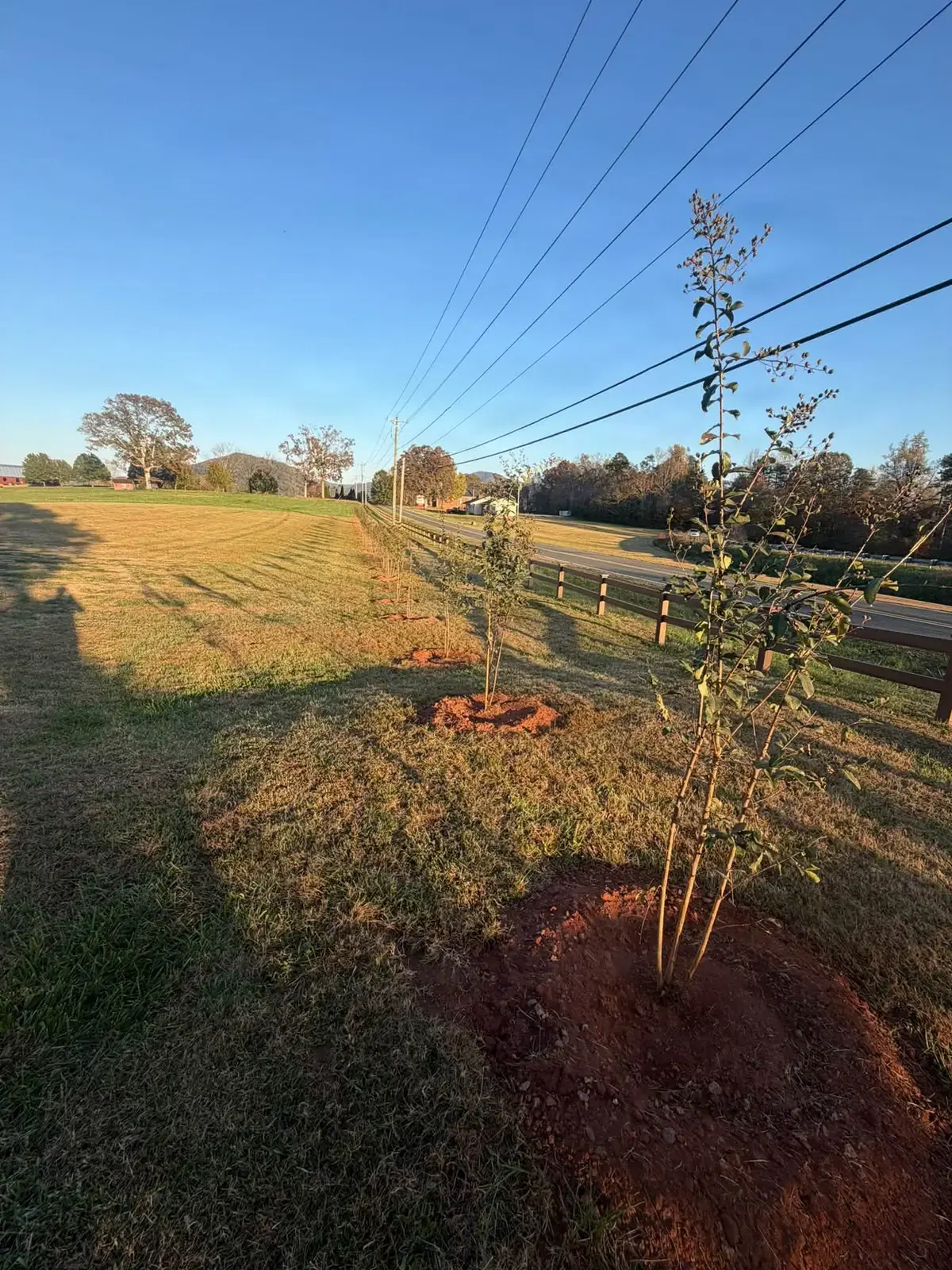
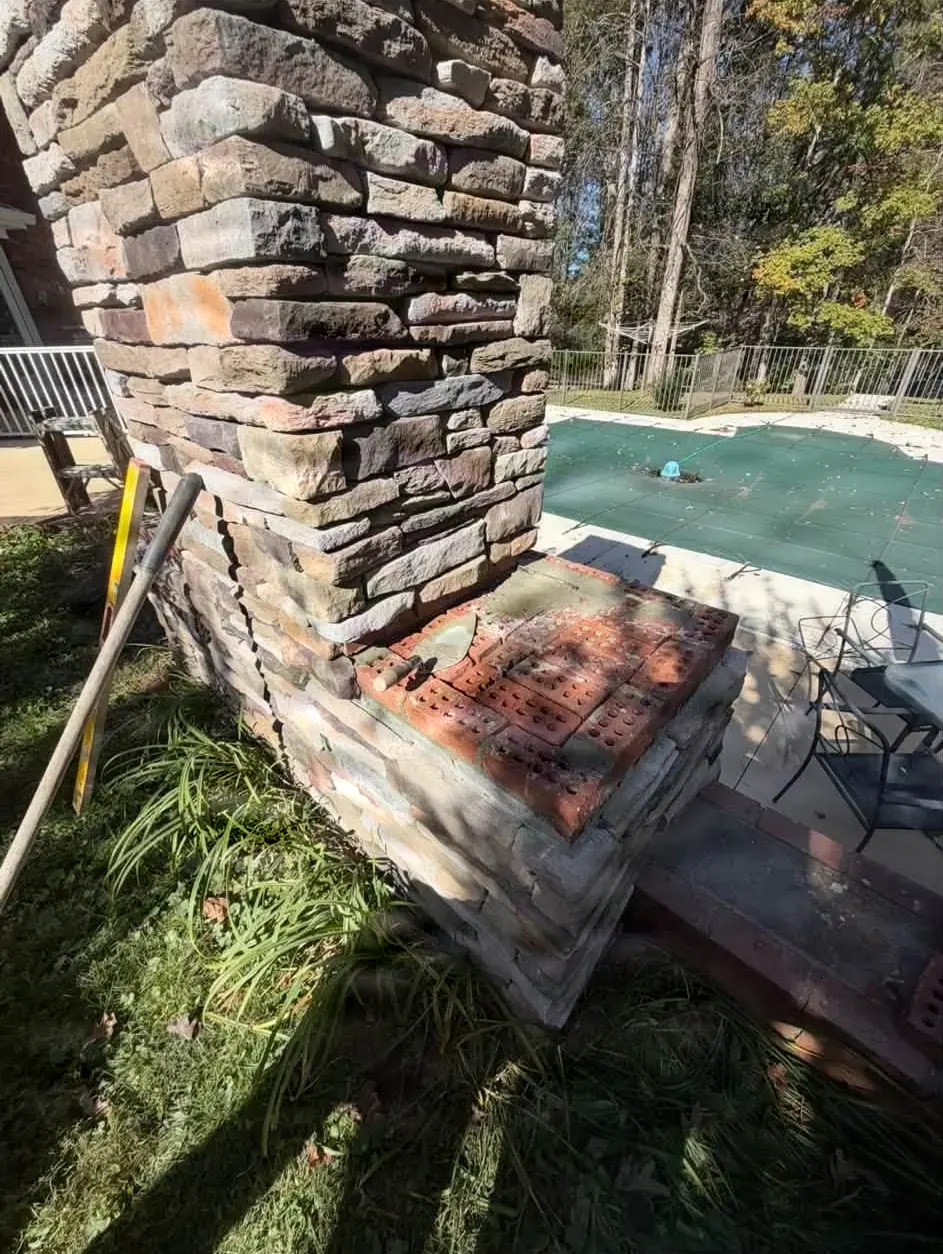
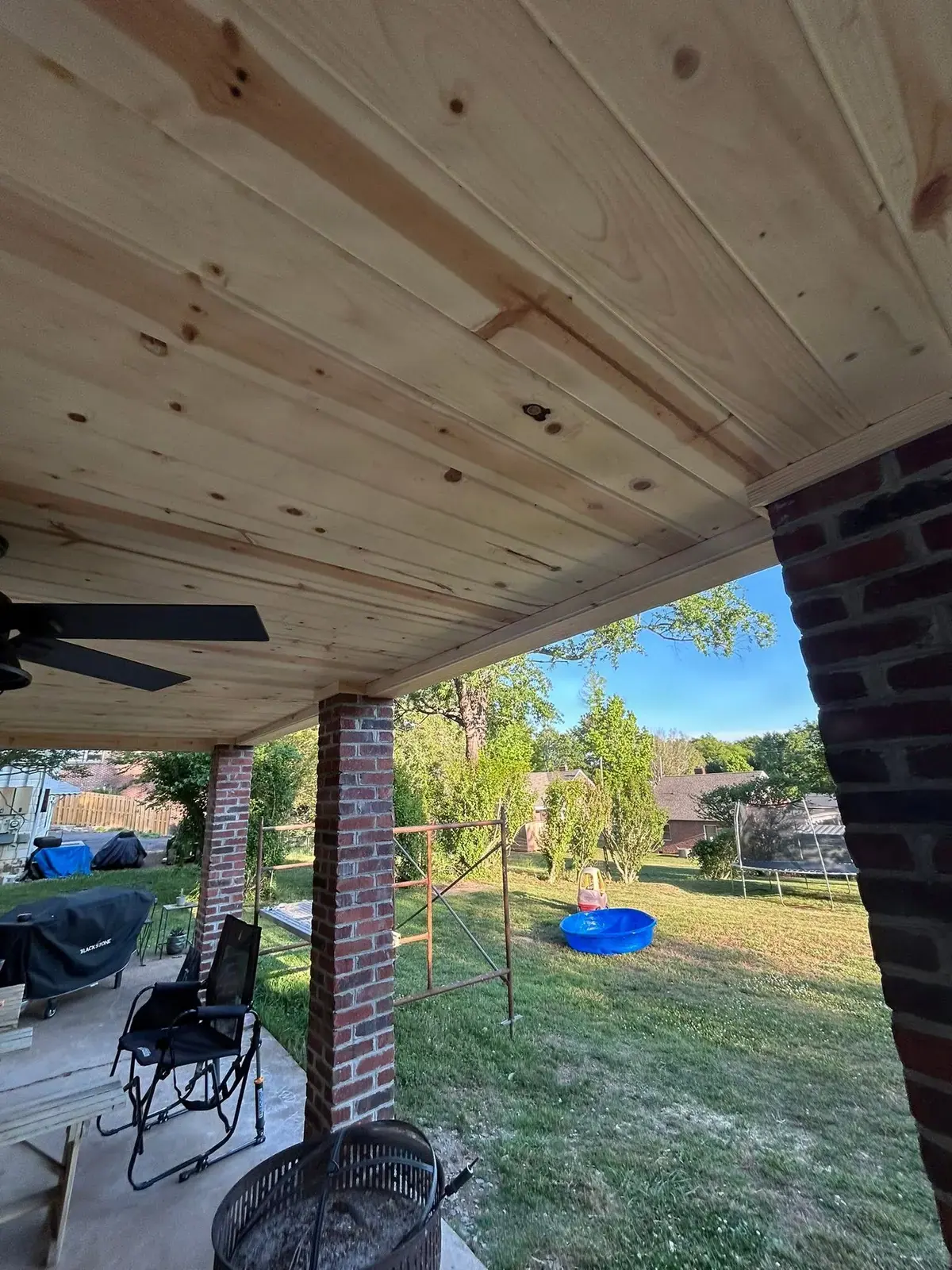
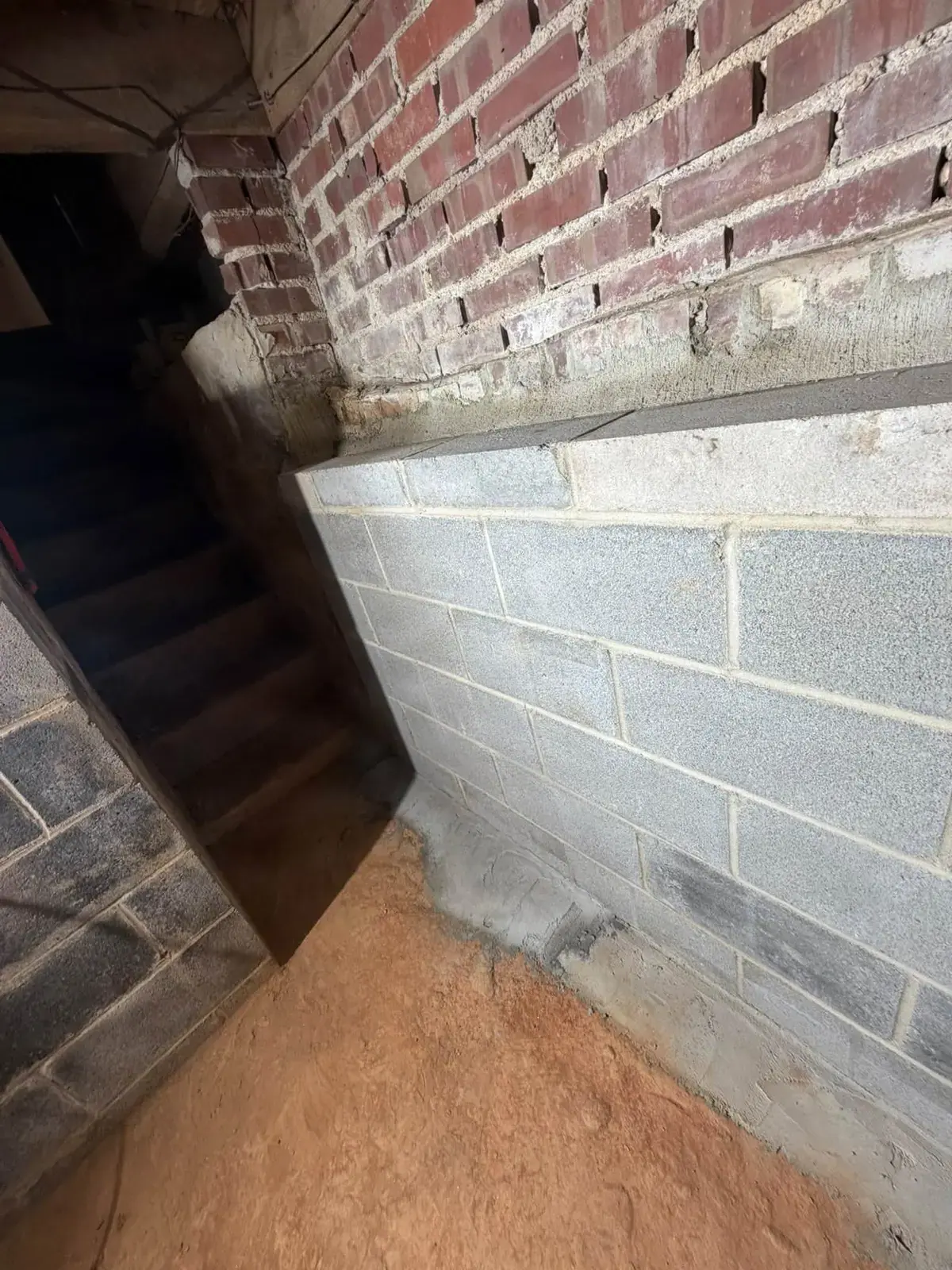
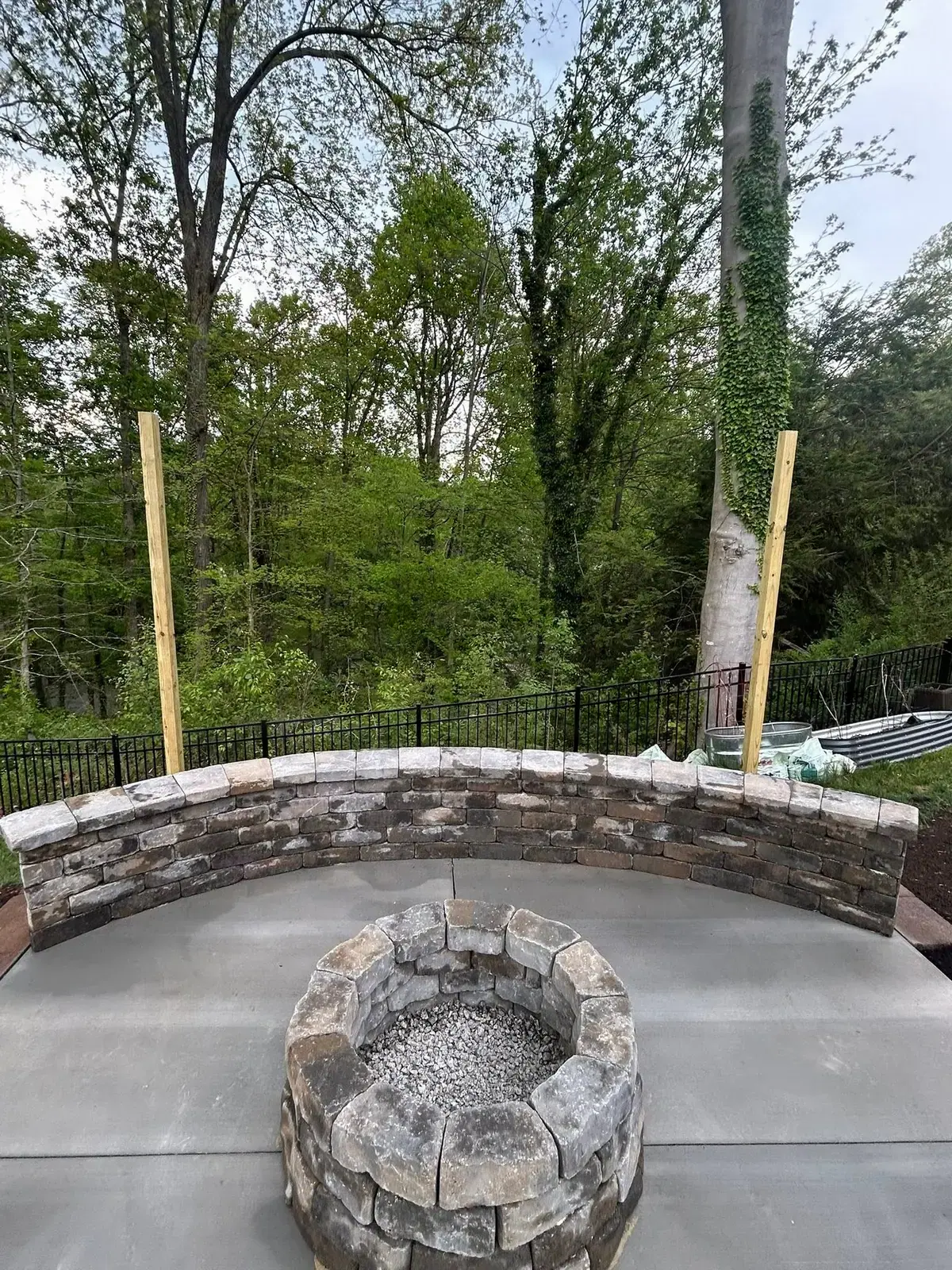
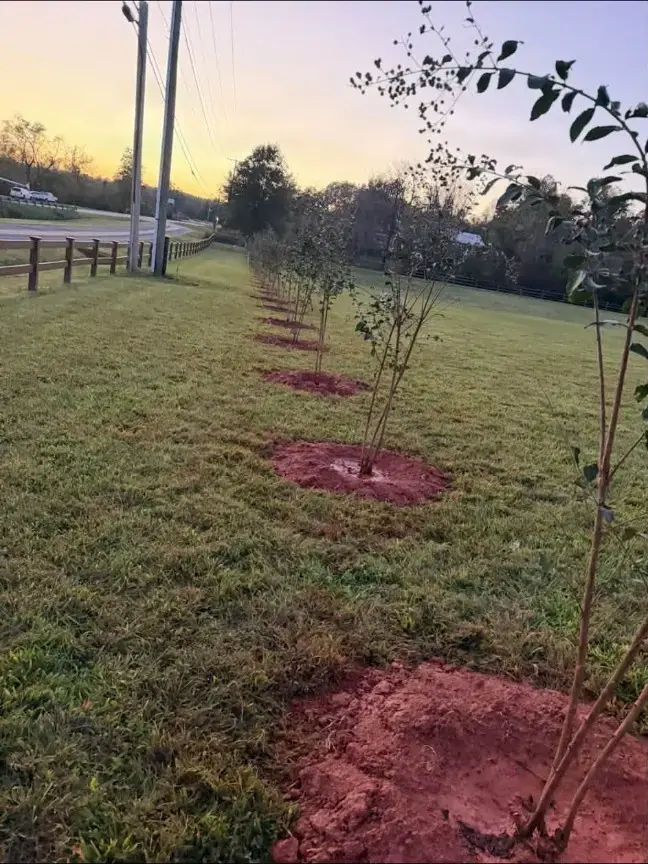
Every photo here is from one of our own jobs. Tap one to see it bigger.



Boone & Nearby Towns
Boone is 33 miles from our Morganton base as the crow flies. These are the 10 towns around it, up to 33 miles out.
Your town not on the list? Call (828) 390-8226 and ask.
Questions We Hear a Lot

-
Yes. We take masonry, stone, brick, block and concrete work in Boone, the Watauga County seat. Call or text (828) 390-8226 with your address and the job you have in mind, or send photos through the contact form.
-
Below the frost line, so freezing soil can't lift them. The North Carolina Residential Code sets a minimum of 12 inches below finished grade for exterior footings and leaves the frost line depth to the local jurisdiction. At Boone's elevation that depth is the county's call, so check with the county before the work starts.
-
Only with care. Concrete can't go on frozen ground, and fresh concrete has to stay above freezing until it sets, so a winter pour waits for milder weather and the slab is covered on cold nights. Keeping de-icing salt off it through its first winter matters too.
-
Permits are the county's call and depend on the job, so check with the county before the work starts. Before any digging, NC 811 asks for a call three working days ahead so buried lines get marked.
-
Yes, the estimate is free for a job in Boone. Call or text (828) 390-8226 or send photos of the job through the contact form, and we will set up a time to come look at it.
-
Yes. We offer free estimates. Call (828) 390-8226, send us a message on Facebook or use the contact form.
-
- Service Area Morganton, NC & surrounding areas:
Valdese, Marion, Lake James & Lake Rhodhiss - Free Estimates Call, text or message usMorganton, NC & nearby
- Find Us Online


